Travel Europe Macedonia FYROM Geography people Skopje History
Mogila, Murtino, Negotino Trevel Eirope Kavadarci, Kicevo, Kisela Voda (Skopje), Klecevce, Kocani, Konce, Kondovo, Konopiste, Kosel, Kratovo, Kriva Palanka, Macedonia, The Former Yugoslav Republic of - FYROM Europe. Pictures and travel. Capital Skopje, economy, geography, history and people. Krivogastani, Krusevo, Kuklis, toirism Kukurecani, Kumanovo, Labunista, Lipkovo, Lozovo, Lukovo, Makedonska Kamenica, Makedonski Brod, Mavrovi Anovi, Meseista, Miravci, , Negotino-Polosko, Novaci, Macedonia , Th e Forme r Yugosla v Republicof - FYRO M Europ e. Picture ans trvel. Capitl Skopj e, econom y, geograph y, histor y nd peopl e. Novo Selo, Oblesevo, Ohrid, Orasac, Orizari, Oslomej, Pehcevo, Petrovec, Plasnica, Podares, Prilep tourism city sightseeing.
Travel Europe Macedonia FYROM Geography people Skopje History
Mogila, Murtino, Negotino Trevel Eirope Kavadarci, Kicevo, Kisela Voda (Skopje), Klecevce, Kocani, Konce, Kondovo, Konopiste, Kosel, Kratovo, Kriva Palanka, Macedonia, The Former Yugoslav Republic of - FYROM Europe. Pictures and travel. Capital Skopje, economy, geography, history and people. Krivogastani, Krusevo, Kuklis, toirism Kukurecani, Kumanovo, Labunista, Lipkovo, Lozovo, Lukovo, Makedonska Kamenica, Makedonski Brod, Mavrovi Anovi, Meseista, Miravci, , Negotino-Polosko, Novaci, Macedonia , Th e Forme r Yugosla v Republicof - FYRO M Europ e. Picture ans trvel. Capitl Skopj e, econom y, geograph y, histor y nd peopl e. Novo Selo, Oblesevo, Ohrid, Orasac, Orizari, Oslomej, Pehcevo, Petrovec, Plasnica, Podares, Prilep tourism city sightseeing.
International recognition of The Former Yugoslav Republic of Macedonia's (F.Y.R.O.M.) independence from Yugoslavia in 1991 was delayed by Greece's objection to the new state's use of what it considered a Hellenic name and symbols. Greece finally lifted its trade blockade in 1995, and the two countries agreed to normalize relations, despite continued disagreement over F.Y.R.O.M.'s use of "Macedonia." F.Y.R.O.M.'s large Albanian minority, an ethnic Albanian armed insurgency in F.Y.R.O.M. in 2001, and the status of neighboring Kosovo continue to be sources of ethnic tension.
Travel Europe Macedonia FYROM Geography people Skopje History
Mogila, Murtino, Negotino Trevel Eirope Kavadarci, Kicevo, Kisela Voda (Skopje), Klecevce, Kocani, Konce, Kondovo, Konopiste, Kosel, Kratovo, Kriva Palanka, Macedonia, The Former Yugoslav Republic of - FYROM Europe. Pictures and travel. Capital Skopje, economy, geography, history and people. Krivogastani, Krusevo, Kuklis, toirism Kukurecani, Kumanovo, Labunista, Lipkovo, Lozovo, Lukovo, Makedonska Kamenica, Makedonski Brod, Mavrovi Anovi, Meseista, Miravci, , Negotino-Polosko, Novaci, Macedonia , Th e Forme r Yugosla v Republicof - FYRO M Europ e. Picture ans trvel. Capitl Skopj e, econom y, geograph y, histor y nd peopl e. Novo Selo, Oblesevo, Ohrid, Orasac, Orizari, Oslomej, Pehcevo, Petrovec, Plasnica, Podares, Prilep tourism city sightseeing.
|
|
|
PeoplePopulation: 2.07 million (July 2004). Population growth rate: 0.39 % (2004).Life expectancy at birth: 74.7 years. Population below poverty line: 30.2 % (2002). Religions: Macedonian Orthodox 70%, Muslim 29%, other 1%. Ethnic groups: Macedonian 64.2%, Albanian 25.2%, Turkish 3.8%, Roma 2.7%, Serb 1.8%, other 2.3% (2002). Language: Macedonian 68%, Albanian 25%, Turkish 3%, Serbo-Croatian 2%, other 2%. Nationality: Macedonian(s). |

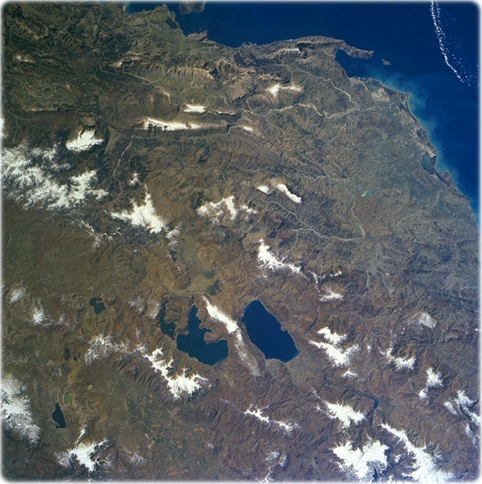
GeographyCountry name: The Former Yugoslav Republic of Macedonia (local: Republika Makedonija). Capital: Skopje. Government type: parliamentary democracy. Independence: 8 September 1991 referendum by registered voters endorsing independence (from Yugoslavia). Administrative divisions: 123 municipalities (opstini, singular - opstina). Terrain: mountainous territory covered with deep basins and valleys; three large lakes, each divided by a frontier line; country bisected by the Vardar River. Total area: 25,333 kmē. Highest point: Golem Korab (Maja e Korabit) 2,753 m. Climate: warm, dry summers and autumns and relatively cold winters with heavy snowfall. |

EconomyAt independence in September 1991, Macedonia was the least developed of the Yugoslav republics, producing a mere 5% of the total federal output of goods and services. The collapse of Yugoslavia ended transfer payments from the center and eliminated advantages from inclusion in a de facto free trade area. An absence of infrastructure, UN sanctions on Yugoslavia, one of its largest markets, and a Greek economic embargo over a dispute about the country's constitutional name and flag hindered economic growth until 1996. GDP subsequently rose each year through 2000. However, the leadership's commitment to economic reform, free trade, and regional integration was undermined by the ethnic Albanian insurgency of 2001. The economy shrank 4.5% because of decreased trade, intermittent border closures, increased deficit spending on security needs, and investor uncertainty. Growth barely recovered in 2002 to 0.9%, then rose to 2.8% in 2003. Unemployment at one-third of the workforce remains the most critical economic problem. The gray economy is estimated at around 40% of GDP. Politically, the country is more stable than in 2002. GDP (purchasing power parity): US$ 13.81 billion (2003). GDP per capita (purchasing power parity): US$ 6,700 (2003) GDP growth rate: 2.8 % (2003). Currency: Macedonian denar (MKD). Unemployment rate: 36.7 % (2003). Industries: coal, metallic chromium, lead, zinc, ferronickel, textiles, wood products, tobacco, food processing, buses, steel. |


|
|
All rights reserved |